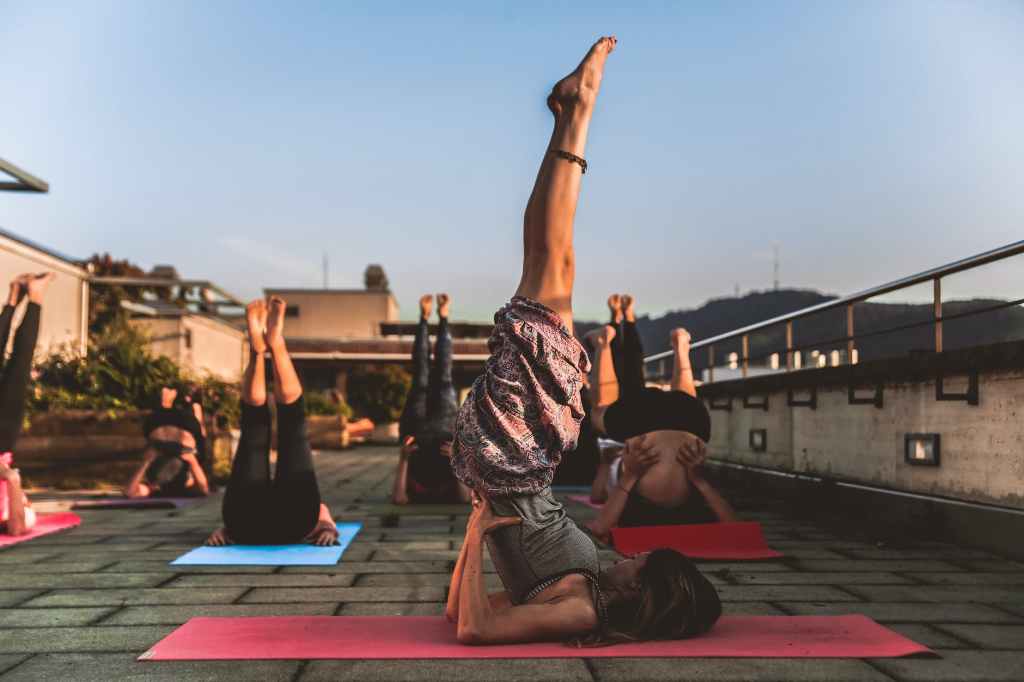
Yoga has long been praised for its ability to improve physical health, flexibility, and strength. However, it is also a powerful tool for enhancing mental health and wellbeing. If you are looking to incorporate yoga into your routine to support your mental wellbeing, you might be wondering which specific type of yoga is best for this purpose. Here, we explore some of the best yoga practices for mental health.
Hatha Yoga: Hatha yoga is a gentle and slow-paced practice that focuses on body alignment and breath control. It is a great choice for beginners or individuals who prefer a slower and more mindful practice. Hatha yoga encourages deep breathing and relaxation, which can help reduce stress, anxiety, and depression.
Vinyasa Yoga: Vinyasa yoga is a dynamic and flowing practice that synchronizes movement with breath. It is known for its ability to increase energy levels and improve focus. This style of yoga can be particularly beneficial for individuals experiencing fatigue, brain fog, or lack of motivation. The continuous movement and controlled breathing in vinyasa yoga help promote mental clarity and alertness.
Yin Yoga: Yin yoga is a slow and passive practice that involves holding postures for an extended period, typically three to five minutes. It targets the deeper connective tissues and aims to release tension and promote relaxation. Yin yoga is excellent for individuals struggling with anxiety, as it encourages surrendering and letting go. The long holds in each posture create a meditative environment that can calm the mind and reduce stress.
Kundalini Yoga: Kundalini yoga combines physical postures, breathwork, chanting, and meditation. It is a dynamic practice that aims to awaken the spiritual energy within. Kundalini yoga can be beneficial for individuals seeking emotional healing, as it focuses on releasing blockages and balancing the chakras. The practice often includes specific meditations that target stress reduction and enhancing self-awareness.
Restorative Yoga: Restorative yoga is a deeply relaxing practice that utilizes props to support the body in various postures. It is ideal for those experiencing high levels of stress and anxiety, as well as individuals with insomnia or other sleep disorders.
Restorative yoga promotes deep relaxation, allowing the body and mind to let go of tension and enter a state of calmness. Ultimately, the best type of yoga for mental health depends on your personal preferences and needs. It is essential to listen to your body and choose a practice that resonates with you.
Remember, yoga is a holistic approach to wellness, and combining it with other self-care practices such as meditation, mindfulness, and healthy lifestyle habits can maximize its benefits for your mental health.

 GET OUR HEALTH